
Exploring the diverse landscape of commercial auto insurance requirements across different countries, this article delves into the varying regulations and necessities for businesses operating vehicles. From mandatory minimum coverage to specific documentation, we uncover the essentials that companies need to know when it comes to insuring their commercial fleet.
Commercial Auto Insurance Requirements Overview
Commercial auto insurance is a type of insurance policy that provides coverage for vehicles used for business purposes. This includes vehicles owned by a business, as well as vehicles leased or rented by a business. Unlike personal auto insurance, commercial auto insurance provides coverage for vehicles used primarily for work-related activities.Examples of vehicles typically covered under commercial auto insurance include delivery vans, company cars, trucks used for business purposes, and vehicles used for transporting goods or equipment.
These vehicles are essential for the operation of a business and need to be protected in case of accidents or other incidents.
Comparison between Commercial and Personal Auto Insurance
Commercial auto insurance differs from personal auto insurance in several key ways. While personal auto insurance is designed for vehicles used for personal reasons, such as commuting to work or running errands, commercial auto insurance is specifically tailored for vehicles used for business purposes.
Commercial auto insurance often provides higher coverage limits to account for the increased risk associated with business vehicles.Another key difference is that commercial auto insurance policies may cover multiple drivers, including employees of the business, whereas personal auto insurance typically covers only the named policyholder and their immediate family members.
Additionally, commercial auto insurance may include coverage for specialized equipment or tools that are transported in the vehicle for business purposes.Overall, commercial auto insurance is essential for businesses that rely on vehicles to conduct their operations. It provides protection and peace of mind in the event of accidents, injuries, or other unforeseen circumstances that may arise while using business vehicles.
Commercial Auto Insurance Requirements in the United States
In the United States, commercial auto insurance is mandatory for businesses operating vehicles for business purposes. Failure to comply with these requirements can result in severe consequences, including fines, license suspension, or even legal action.
Mandatory Minimum Coverage Requirements
In the US, commercial auto insurance policies must meet certain minimum coverage requirements. These requirements typically include:
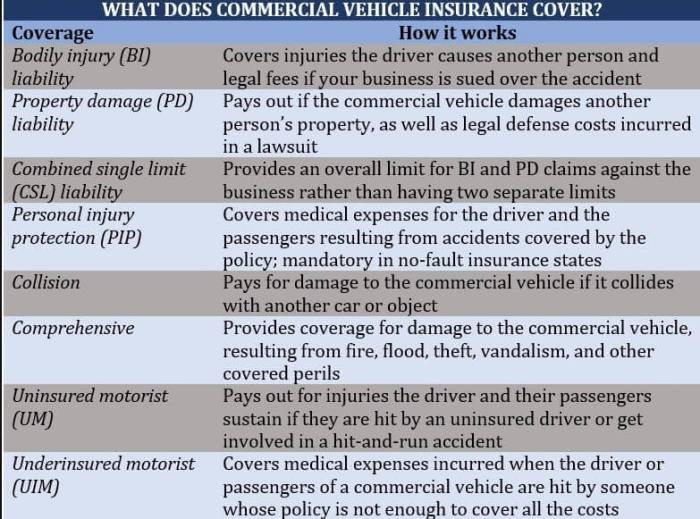
- Bodily Injury Liability Coverage: This coverage helps pay for medical expenses, legal fees, and damages if you or an employee is at fault in an accident that injures someone else.
- Property Damage Liability Coverage: This coverage helps pay for damages to someone else's property if you or an employee is at fault in an accident.
- Personal Injury Protection (PIP) or Medical Payments Coverage: This coverage helps pay for medical expenses for you and your passengers in case of an accident, regardless of who is at fault.
- Uninsured/Underinsured Motorist Coverage: This coverage protects you if you are involved in an accident with a driver who does not have insurance or does not have enough insurance to cover your damages.
Additional Recommended Coverage Options
In addition to the mandatory minimum coverage requirements, businesses may consider investing in additional coverage options to protect their assets. Some recommended coverage options include:
- Comprehensive Coverage: This coverage helps pay for damages to your vehicle caused by incidents other than collisions, such as theft, vandalism, or natural disasters.
- Cargo Insurance: This coverage protects the goods or products you are transporting in case of damage, theft, or loss.
- Rental Reimbursement Coverage: This coverage helps pay for the cost of renting a vehicle while your commercial vehicle is being repaired after an accident.
Consequences of Non-Compliance
Failure to comply with commercial auto insurance requirements in the US can have serious consequences. Some potential repercussions include:
- Fines: Businesses may face hefty fines for operating vehicles without the necessary insurance coverage.
- License Suspension: In some states, businesses may have their commercial driver's license suspended if they do not have the required insurance coverage.
- Lawsuits: If your business is involved in an accident without insurance, you may be personally liable for damages and legal fees, putting your assets at risk.
Commercial Auto Insurance Requirements in European Countries
Commercial auto insurance requirements in European countries vary significantly based on each country's regulations. These requirements can impact the types of coverage needed, minimum coverage limits, and other specific regulations that businesses must adhere to when operating commercial vehicles.
United Kingdom
In the UK, commercial auto insurance is mandatory for all vehicles used for business purposes. The Motor Vehicles (Compulsory Insurance) Regulations require businesses to have a minimum of third-party insurance to cover any damages or injuries caused to third parties.
Failure to have the necessary insurance can result in fines or even the seizure of the vehicle.
Germany
In Germany, commercial auto insurance requirements are also strict. Businesses must have liability insurance that covers personal injury and property damage caused by their vehicles. Additionally, vehicles must undergo regular safety inspections to ensure they meet the required standards for insurance coverage.
France
France also has stringent requirements for commercial auto insurance. Similar to other European countries, businesses must have liability insurance to cover damages or injuries caused by their vehicles. Additionally, France has specific regulations regarding the type of coverage needed for different types of commercial vehicles, such as trucks or buses.
Commercial Auto Insurance Documentation and Verification
Businesses must provide specific documentation to prove compliance with commercial auto insurance requirements. This ensures that they have the necessary coverage in case of accidents or incidents involving their vehicles.
Documentation Needed for Commercial Auto Insurance Compliance
- Proof of Insurance Policy: Businesses need to provide a copy of their commercial auto insurance policy that clearly Artikels the coverage details.
- Certificate of Insurance: A certificate of insurance is often required to prove that the business has the necessary coverage. This document typically includes the policy number, coverage limits, and effective dates.
- Vehicle Registration Information: Businesses may also need to submit vehicle registration details to link the insurance coverage to specific vehicles.
Verification Process for Ensuring Insurance Coverage
- Insurance Reviews: Insurance companies or regulatory authorities may conduct periodic reviews to verify that businesses have the appropriate insurance coverage in place.
- Spot Checks: Random spot checks may be carried out to ensure that vehicles on the road are properly insured. Businesses must be prepared to provide documentation if requested.
Tips for Maintaining Up-to-Date Insurance Documentation
- Regularly Review Policies: Businesses should review their insurance policies periodically to ensure they have adequate coverage for their operations.
- Renew Policies on Time: Timely renewal of insurance policies is crucial to avoid any lapses in coverage. Missing renewal deadlines could lead to non-compliance with requirements.
- Keep Documentation Organized: Maintain all insurance documents in a secure and easily accessible location to quickly provide proof of coverage when needed.
Ultimate Conclusion
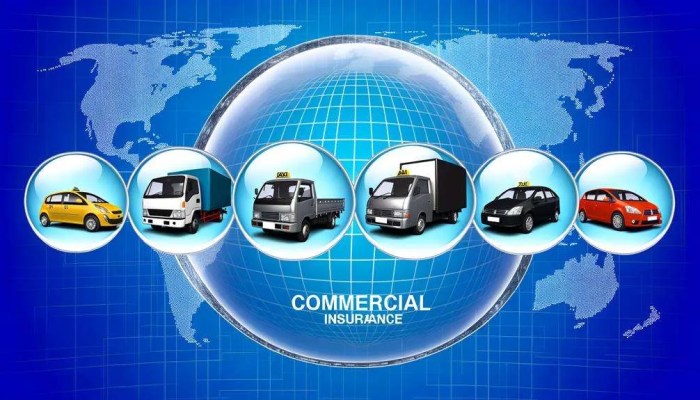
In conclusion, understanding the nuances of commercial auto insurance requirements across different countries is crucial for any business with a fleet of vehicles. By complying with the specific regulations and keeping insurance documentation up-to-date, companies can navigate the roads with confidence and security.
Commonly Asked Questions
What are the common types of vehicles covered under commercial auto insurance?
Commercial auto insurance typically covers vehicles used for business purposes such as delivery vans, trucks, and company cars.
Are there any specific requirements for commercial auto insurance in the UK?
In the UK, businesses are required to have a minimum of third-party insurance to legally operate vehicles on public roads.
How can businesses verify their compliance with commercial auto insurance requirements?
Businesses can provide insurance certificates or policy documents as proof of compliance with commercial auto insurance requirements.