
In the realm of fleet-based businesses, the significance of Commercial Auto Insurance cannot be overstated. Through this comprehensive guide, we delve into the crucial aspects of insurance coverage tailored for fleets, offering insights that are both informative and practical.
As we navigate through the intricacies of commercial auto insurance, we shed light on the various types of coverage, factors influencing premium costs, benefits of customized policies, and more. Stay tuned for a deep dive into the world of fleet-based business insurance.
Importance of Commercial Auto Insurance for Fleet-Based Businesses
Commercial auto insurance is essential for fleet-based businesses to protect their vehicles, drivers, and overall operations. Without proper insurance coverage, these businesses face significant risks and potential financial consequences.
Risks of Operating Without Commercial Auto Insurance
- Legal liabilities: Operating without commercial auto insurance can lead to legal issues if accidents occur. Businesses may face lawsuits, fines, and penalties for not having adequate coverage.
- Vehicle damage costs: Without insurance, fleet-based businesses are responsible for covering the costs of repairs or replacements for damaged vehicles, which can be financially burdensome.
- Injury expenses: In the event of accidents, businesses may have to pay for medical expenses and compensation for injured drivers or passengers out of pocket without insurance coverage.
- Loss of revenue: If vehicles are out of commission due to accidents or damages, businesses may experience downtime and loss of income without insurance to cover the costs.
Financial Consequences of Not Having Commercial Auto Insurance for Fleets
- Out-of-pocket expenses: Without insurance, fleet-based businesses may have to bear the full financial burden of repairs, medical bills, and legal fees, impacting their bottom line.
- Business interruption: Accidents or vehicle damage can disrupt operations, leading to delays, loss of productivity, and ultimately revenue loss without insurance to mitigate the financial impact.
- Reputation damage: Failing to have proper insurance coverage can harm a fleet-based business's reputation, leading to loss of trust from customers, partners, and stakeholders.
Types of Coverage Offered in Commercial Auto Insurance
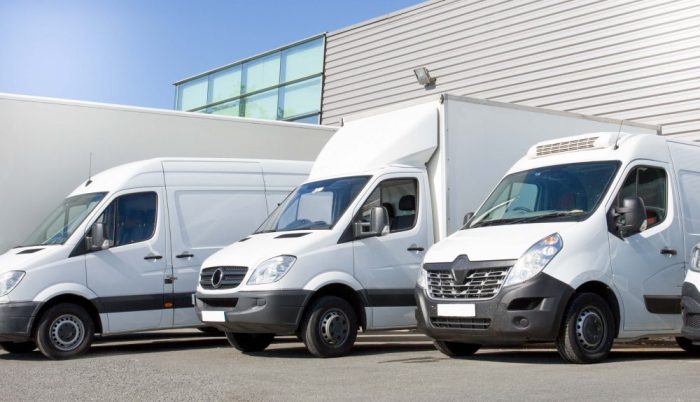
When it comes to commercial auto insurance for fleet-based businesses, there are several types of coverage options available to protect both vehicles and drivers. Each type of coverage plays a crucial role in safeguarding the business against potential risks and liabilities.
Liability Coverage
Liability coverage is essential for fleet-based businesses as it protects against costs associated with bodily injury and property damage resulting from an accident where the insured party is at fault. This coverage helps cover medical expenses, legal fees, and repair costs for third-party vehicles or property.
Collision Coverage
Collision coverage is designed to cover the costs of repairing or replacing fleet vehicles in the event of a collision, regardless of who is at fault. This coverage is crucial for ensuring that the business can quickly get back on the road after an accident.
Comprehensive Coverage
Comprehensive coverage provides protection against non-collision incidents, such as theft, vandalism, weather damage, or hitting an animal. This coverage is important for fleet-based businesses to mitigate financial losses in situations beyond their control.
Uninsured/Underinsured Motorist Coverage
Uninsured/underinsured motorist coverage protects fleet vehicles and drivers in the event of an accident with a driver who does not have insurance or does not have enough coverage to pay for damages. This coverage ensures that the business is not left bearing the financial burden of someone else's negligence.These different types of coverage work together to provide comprehensive protection for fleet-based businesses, ensuring that they can continue operations smoothly and minimize financial risks in the event of unforeseen circumstances.
Factors Influencing Premium Costs
When it comes to commercial auto insurance for fleet-based businesses, several factors can influence the premium costs. Understanding these factors is crucial for businesses to manage their insurance expenses effectively.
Size of the Fleet
The size of the fleet plays a significant role in determining insurance premiums. Generally, larger fleets with more vehicles are associated with higher risks, leading to higher premiums. Insurance companies consider the number of vehicles in the fleet when calculating the premium costs.
Type of Vehicles
The type of vehicles in the fleet also impacts insurance premiums. Vehicles with a higher value or specialized equipment may be more expensive to insure due to the increased cost of repairs or replacements. Additionally, the make and model of the vehicles, as well as their safety features, can affect premium costs.
Driving Records
The driving records of the drivers within the fleet have a direct impact on insurance premiums. Businesses with drivers who have a history of accidents or traffic violations are considered higher risk and may face higher premiums. Maintaining a clean driving record and implementing safe driving practices can help reduce insurance costs.
Coverage Limits
The coverage limits chosen by a fleet-based business can also influence premium costs. Higher coverage limits provide more comprehensive protection but come with higher premiums. Businesses should carefully assess their coverage needs and adjust their limits accordingly to balance protection and cost.
Strategies to Reduce Premium Costs
- Implement driver training programs to improve safety and reduce the risk of accidents.
- Regularly review and update your fleet's safety protocols and procedures.
- Consider bundling insurance policies or exploring discounts for multiple vehicles.
- Opt for higher deductibles to lower premium costs, but ensure your business can afford the out-of-pocket expenses in case of a claim.
- Shop around and compare quotes from different insurance providers to find the most competitive rates for your fleet.
Benefits of Customized Insurance Policies
Customized insurance policies offer several advantages for fleet-based businesses. These tailored policies are designed to meet the specific needs and risks associated with fleet operations, providing comprehensive coverage and peace of mind for business owners.
Addressing Specific Needs and Risks
- Personalized policies can address the unique needs of fleet-based businesses, such as coverage for a large number of vehicles, drivers, and cargo.
- Customized policies can also cover specific risks related to fleet operations, such as accidents, theft, vandalism, and liability claims.
- By tailoring the insurance coverage to the individual requirements of the business, customized policies ensure that all potential risks are adequately protected against.
Effective Risk Management
- Customized insurance policies help businesses in managing risks effectively by providing coverage that aligns with their specific operations and exposures.
- These policies can offer higher limits and additional coverage options tailored to the size and scope of the fleet, ensuring comprehensive protection in case of unforeseen events.
- Business owners can work with insurance providers to create policies that meet their exact needs, helping them to mitigate potential financial losses and disruptions to their operations.
Closing Notes
As we conclude our exploration of Commercial Auto Insurance for Fleet-Based Businesses, it becomes evident that safeguarding your fleet is not just a necessity but a strategic advantage. With tailored insurance solutions, businesses can mitigate risks effectively and ensure smooth operations on the road ahead.
FAQ Section
What are the consequences of not having commercial auto insurance for fleets?
Without proper insurance, fleet-based businesses face financial risks such as liabilities in accidents, vehicle damages, and legal expenses.
How can fleet-based businesses reduce insurance premium costs?
Businesses can potentially lower premiums by improving driving records, implementing safety measures, and adjusting coverage limits based on specific needs.
Why are customized insurance policies beneficial for fleet-based businesses?
Customized policies address unique risks associated with fleet operations, providing tailored coverage that enhances protection and risk management.