
Exploring the latest trends in auto insurance quotes across the US and Europe, this article dives into the key differences and similarities between the two regions. From market overview to technological advancements, this discussion sheds light on the evolving landscape of auto insurance pricing.
In the following paragraphs, we will delve deeper into the factors influencing auto insurance quotes, the role of technology and innovation, comparisons of premium rates, and more.
Auto Insurance Market Overview
The auto insurance industry in the US and Europe plays a crucial role in providing financial protection to drivers in case of accidents or damage to their vehicles. While both regions have robust insurance markets, there are key differences that set them apart.In the US, the auto insurance market is highly competitive, with a large number of insurers offering a wide range of coverage options to consumers.
The market is regulated at the state level, leading to variations in insurance requirements and pricing across different states. Additionally, the US market is characterized by a high level of customer engagement, with consumers often shopping around for the best rates and coverage options.On the other hand, the auto insurance market in Europe is more standardized, with regulations set at the EU level in addition to national regulations.
This leads to more consistency in insurance requirements and pricing across European countries. European insurers also tend to focus more on risk assessment and prevention, leading to lower accident rates and insurance premiums compared to the US.
Major Players and Key Trends
In the US, major players in the auto insurance market include State Farm, GEICO, Progressive, and Allstate. These companies dominate the market and compete aggressively for market share through advertising and pricing strategies. Key trends shaping the US auto insurance industry include the rise of usage-based insurance, where premiums are based on driving behavior, as well as the increasing use of technology to streamline claims processing and customer service.In Europe, major players in the auto insurance market include AXA, Allianz, Zurich, and Generali.
These insurers have a strong presence across multiple European countries and offer a wide range of coverage options to consumers. Key trends shaping the European auto insurance industry include the adoption of telematics devices to track driving behavior, as well as the shift towards more sustainable and environmentally friendly insurance products.
Factors Influencing Auto Insurance Quotes
When it comes to determining auto insurance quotes in both the US and Europe, several factors come into play that impact the pricing and coverage offered to drivers. These factors can range from regulatory requirements to individual driving behaviors and demographics.
Understanding these influences is crucial for both insurance companies and policyholders to navigate the complex landscape of auto insurance pricing.
Regulations Impacting Auto Insurance Pricing
Regulations play a significant role in shaping auto insurance pricing in the US and Europe. In the US, each state sets its own regulations regarding the minimum required coverage levels, which can impact the overall cost of insurance premiums. Additionally, regulations related to the insurance industry, such as underwriting rules and claims processes, can also influence pricing.
In Europe, insurance regulations are often more standardized across countries due to the European Union directives, which can lead to more consistent pricing practices across borders.
Demographics, Driving Behavior, and Vehicle Types
Demographics, driving behavior, and vehicle types are key factors that insurers consider when determining auto insurance quotes. Younger drivers, for example, tend to pay higher premiums due to their perceived higher risk of accidents. Additionally, individuals with a history of traffic violations or accidents may face increased premiums.
The type of vehicle being insured also plays a role, as luxury cars or high-performance vehicles typically come with higher insurance costs due to their expensive repair and replacement parts. Insurers also take into account the frequency of vehicle use, as more time on the road increases the likelihood of accidents.
Technology and Innovation in Auto Insurance
Technology and innovation have revolutionized the auto insurance industry in both the US and Europe, shaping the way policies are priced, underwritten, and managed. The integration of advanced technologies has paved the way for more personalized and efficient insurance solutions.
Telematics
Telematics, which involves the use of devices to monitor driving behavior, has significantly impacted auto insurance. By collecting data on factors such as speed, mileage, and braking patterns, insurers can assess risk more accurately. This data-driven approach allows for the customization of insurance premiums based on individual driving habits, ultimately leading to fairer pricing and improved road safety.
Artificial Intelligence (AI) and Big Data
AI and big data analytics play a crucial role in processing vast amounts of information to predict risk and detect fraudulent claims. By leveraging AI algorithms, insurers can streamline claims processing, detect patterns of fraud, and offer more accurate pricing.
The use of big data enables insurers to gain deeper insights into customer behavior and preferences, leading to more tailored insurance products and services.
Usage-Based Insurance Models
Usage-based insurance models, also known as pay-as-you-drive or pay-how-you-drive policies, are gaining popularity in the auto insurance market. These models allow policyholders to pay premiums based on their actual driving behavior, encouraging safer driving habits and potentially lower insurance costs.
By monitoring driving patterns in real-time, insurers can offer discounts to policyholders who demonstrate responsible driving practices, shifting the focus from traditional risk factors to individual behavior.
Comparison of Premium Rates
In comparing auto insurance premium rates between the US and Europe, it is essential to consider the various factors that influence these rates. Differences in regulations, driving habits, and economic conditions can all impact the cost of auto insurance in different regions.
Average Premium Rates
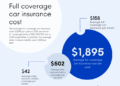
In the United States, the average annual auto insurance premium is around $1,502, whereas in Europe, the average premium varies significantly by country, with some countries like the UK having higher rates compared to others.
Reasons Behind Differences in Premium Rates
The differences in premium rates between states in the US and countries in Europe can be attributed to several factors. These include the level of competition among insurance companies, regulatory requirements, cost of living, population density, crime rates, and frequency of accidents in a particular area.
Impact of Economic Factors
Economic factors such as inflation, unemployment rates, and GDP growth can also influence auto insurance premium rates. In the US, economic stability and growth can lead to higher disposable income, resulting in increased demand for auto insurance coverage. In Europe, economic fluctuations can affect the affordability of insurance premiums for consumers.
End of Discussion
To wrap up our discussion on auto insurance trends in the US and Europe, it's clear that the industry is experiencing significant transformations driven by various factors. Whether it's regulatory changes, technological advancements, or economic factors, these trends shape the future of auto insurance pricing and coverage.
Clarifying Questions
What are some key differences between the auto insurance markets in the US and Europe?
In the US, auto insurance is regulated at the state level, leading to variations in coverage requirements and pricing. In Europe, insurance regulations are often standardized across countries.
How do demographics influence auto insurance quotes?
Demographics such as age, gender, and marital status can impact auto insurance rates, with younger drivers typically facing higher premiums.
What role does technology play in shaping auto insurance pricing?
Technology like telematics and AI allows insurance companies to track driver behavior more accurately, leading to personalized pricing based on individual driving habits.